Your Guide to the Best Remote Office Phone System


A remote office phone system is no longer just a temporary solution for work-from-home teams. In 2026, it is a core part of how modern businesses communicate across offices, home workspaces, mobile devices, and customer-facing teams. As hybrid work remains a top preference for many workers, businesses need communication tools that support flexibility without sacrificing call quality, professionalism, or productivity.
The best remote office phone system helps your team answer calls from anywhere, keep conversations connected across devices, and maintain a consistent business presence whether employees are in the office, at home, or on the road.
What is a remote office phone system?
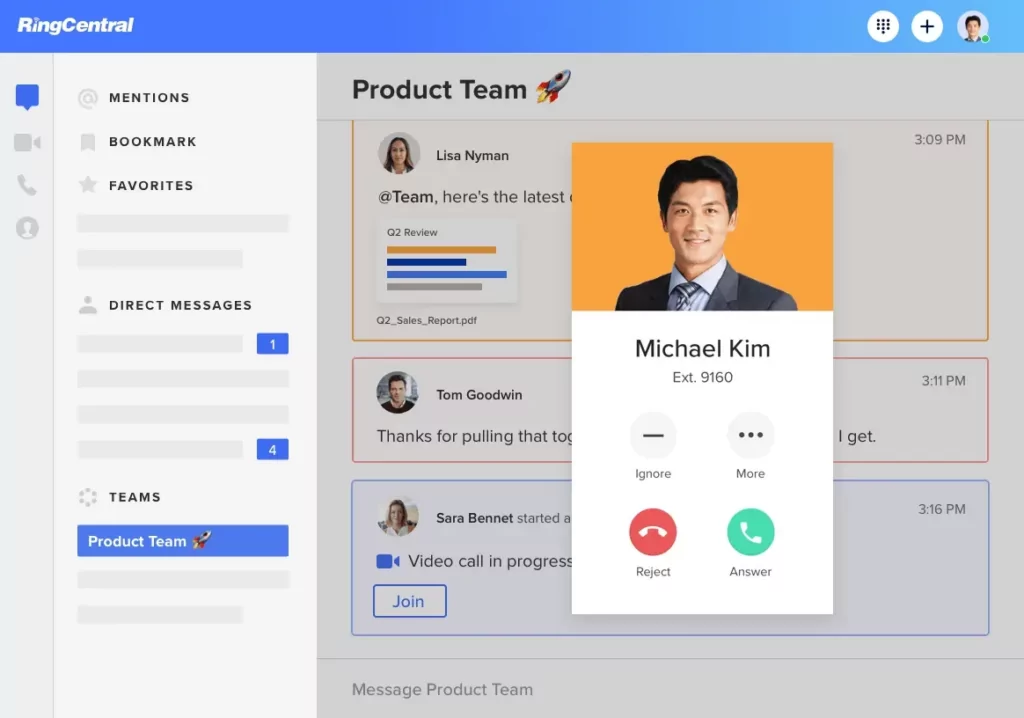
A remote office phone system is a business phone solution that allows employees to make and receive work calls from virtually anywhere using an internet connection. In many cases, this means a cloud-based VoIP or UCaaS platform that connects desk phones, laptops, and mobile devices under one business phone environment.
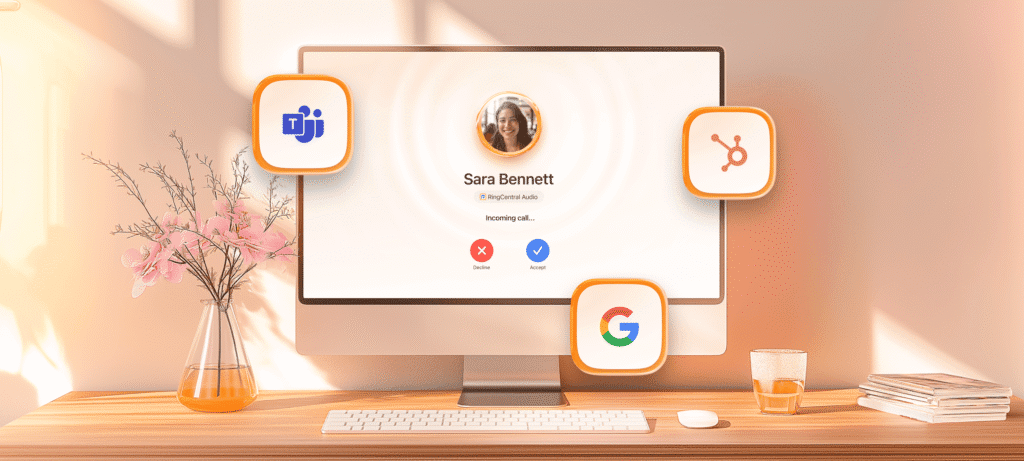
Instead of being tied to a single office location, your team can access business calling features through apps, browser-based tools, or IP phones. That means calls can follow the user, not the desk.
For businesses in 2026, this matters because communication no longer happens in just one place. Teams move between home, headquarters, job sites, satellite offices, and travel schedules. A modern phone system needs to support that reality.
What kind of phone system is best for remote and hybrid teams?
For most businesses, a cloud-based phone system is the best choice for a remote or hybrid workforce. High Country Workplace Technologies highlights cloud-hosted VoIP, business phones, PBX support, and UCaaS solutions as part of its workplace technology offerings, giving businesses flexible options based on their size, infrastructure, and communication needs.
Cloud-based systems are often the preferred option because they are easier to scale, simpler to manage across multiple locations, and better suited for teams that need to stay reachable from different devices.
That does not mean every company has the exact same needs. Some organizations may still rely on PBX environments or need support extending the life of existing systems while planning a transition. A good provider helps you choose the right path based on how your business works today and where it is headed next.
Why cloud-based phone systems work so well in 2026
1. They support hybrid work without making communication feel scattered
Hybrid work is not just about letting people work from home. It is about creating a communication experience that feels seamless no matter where someone is working. A cloud-based remote office phone system helps employees use the same business number, voicemail, call routing, and contact tools whether they are at a desk or on a mobile app.
That consistency helps teams stay responsive and helps customers reach the right person without confusion.
2. They make it easier to manage multiple devices
In 2026, employees often switch between laptops, smartphones, headsets, and office phones throughout the day. A modern system lets them answer calls on the device that makes the most sense in the moment while still keeping the business identity intact.
This is especially useful for sales teams, service teams, leadership, and employees who split time between locations.
3. They improve flexibility without losing professionalism
Customers still expect a professional phone experience. They want clear audio, fast transfers, reliable routing, and easy access to the right department. High Country Workplace Technologies positions its business phone offerings around customized, scalable solutions that help businesses maintain that level of service while adapting to changing workplace needs.
A quality remote office phone system helps businesses stay polished even when their workforce is distributed.
4. They can support broader collaboration tools
Phone systems are no longer just about voice calls. Many businesses now want messaging, conferencing, voicemail integration, and collaboration tools tied together in one environment. HCWT’s UCaaS and conferencing solutions reflect that broader shift toward connected communication rather than isolated phone service.
That is important because teams work faster when communication tools are easier to access and manage in one place.
5. They can reduce complexity and long-term overhead
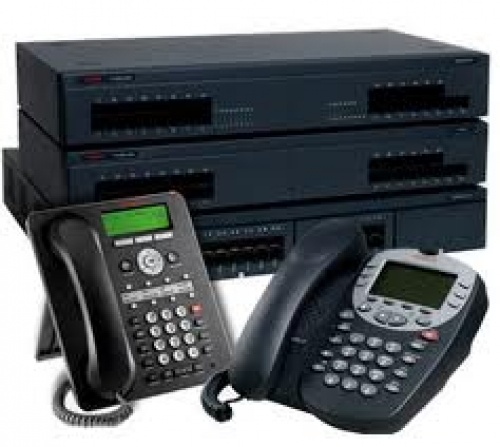
Traditional phone systems often come with more hardware dependencies and more limitations when teams are distributed. Cloud-hosted systems can simplify upkeep and reduce the burden of maintaining older infrastructure. HCWT’s hosted VoIP page specifically emphasizes reduced upkeep and avoiding costly hardware investments with managed cloud voice solutions.
For many businesses, that means fewer headaches for internal teams and a smoother experience for end users.
What should businesses look for in a remote office phone system?
When comparing options, look for a system that supports:
- mobile and desktop access
- call routing and voicemail features
- scalability for growing teams
- easy management across locations
- conferencing and collaboration options
- reliable support and service
The right remote office phone system should fit how your business actually communicates, not force your team into a rigid setup.
Choosing a better communication setup for the way people work now
The workplace in 2026 looks different than it did a few years ago. Even as some companies bring more employees back into the office, hybrid work remains a major part of how businesses attract talent, support productivity, and stay flexible.
That is why the best remote office phone system is not just about remote work. It is about business continuity, mobility, customer experience, and giving your team the tools to stay connected from anywhere.
If your business is evaluating new phone solutions, upgrading an aging system, or trying to better support a hybrid workforce, High Country Workplace Technologies offers business phones, cloud-hosted VoIP, PBX support, and unified communications solutions designed around real workplace needs.